Imagine a state where you feel significantly challenged but also that you are excelling. In the athletic world, peak performance is often a result of mental and physical synergy, where athletes become so engrossed in their activity that they enter a state of complete absorption. This state, known as “flow,” has become a subject of fascination for researchers and enthusiasts alike.
1. The Dynamics of Flow
While many recognize the profound effect of flow on performance, its dynamics have been somewhat elusive. A study by Roberta Antonini Philippe and colleagues qualitatively explored the journey of athletes into, within, and out of flow. They identified three phases:
- Preparation to Enter Flow: Setting the stage.
- Entry into the Flow State: Immersion begins.
- Exit from the Flow State: Gradual detachment
While we will not explore these phases in depth in this post, in this immersive experience emotions serve not just as indicators of an athlete’s state of mind, but also as a driving force that facilitates the transition from one phase to another. The way an athlete feels during preparation can profoundly influence their entry into the flow, and similarly, their emotions as they’re deeply engrossed in the activity will determine the ease with which they exit the flow state.
Flow in the Athletic Realm
Delving further into the realm of sports, the concept of flow finds its roots in everyday life experiences as presented by Csikszentmihalyi. However, it wasn’t long before researchers began to investigate its significance in sports. Defined as the optimal state for sports practice, flow is characterized by Vara et. al in the following nine dimensions:
- Perceived challenges that stretch existing skills.
- Action-awareness union.
- Clear goals.
- Positive feedback.
- Concentration on the task at hand.
- A sense of control.
- Loss of self-consciousness.
- Distorted time perception.
- Autotelic experience (performing an action for its inherent pleasure).
These dimensions provide athletes a comprehensive framework to understand their experiences during peak performances. Interestingly, many elite athletes have mentioned experiencing these attributes during their best performances, underlining the validity of these dimensions in a real-world setting.
Temporal Processing & Flow’s Influence on Perception and Cognition
A pivotal link between flow and enhanced performance capabilities lies in its influence on perception. A study by Sinnett et. al exemplifies this by demonstrating how flow impacts spatiotemporal perception and processing. Participants, which included both athletes and musicians, showed improved performance in temporal order judgment tasks after experiencing flow. This indicates that being in a flow state potentially enhances perceptual abilities of time, providing a cognitive edge during high-level performances.
Taking it a step further, it’s intriguing to relate flow states to inhibition which we touched on in our last post you can read here. It’s plausible that when athletes are in flow, their ability to inhibit distractions becomes more pronounced. This sharpened focus, combined with improved spatial and temporal processing capabilities, could be the very essence of why flow states are so sought after in the athletic domain.
Conclusion
The mysterious phenomenon of flow in athletics, although abstract, is beginning to unveil its intricate dynamics through research. As we understand more about its phases, dimensions, and influence on perception, we can better appreciate its significance in peak athletic performances. As athletes and trainers alike aim to consistently achieve this state, the revelations about flow promise to revolutionize training methodologies and redefine performance benchmarks in sports.
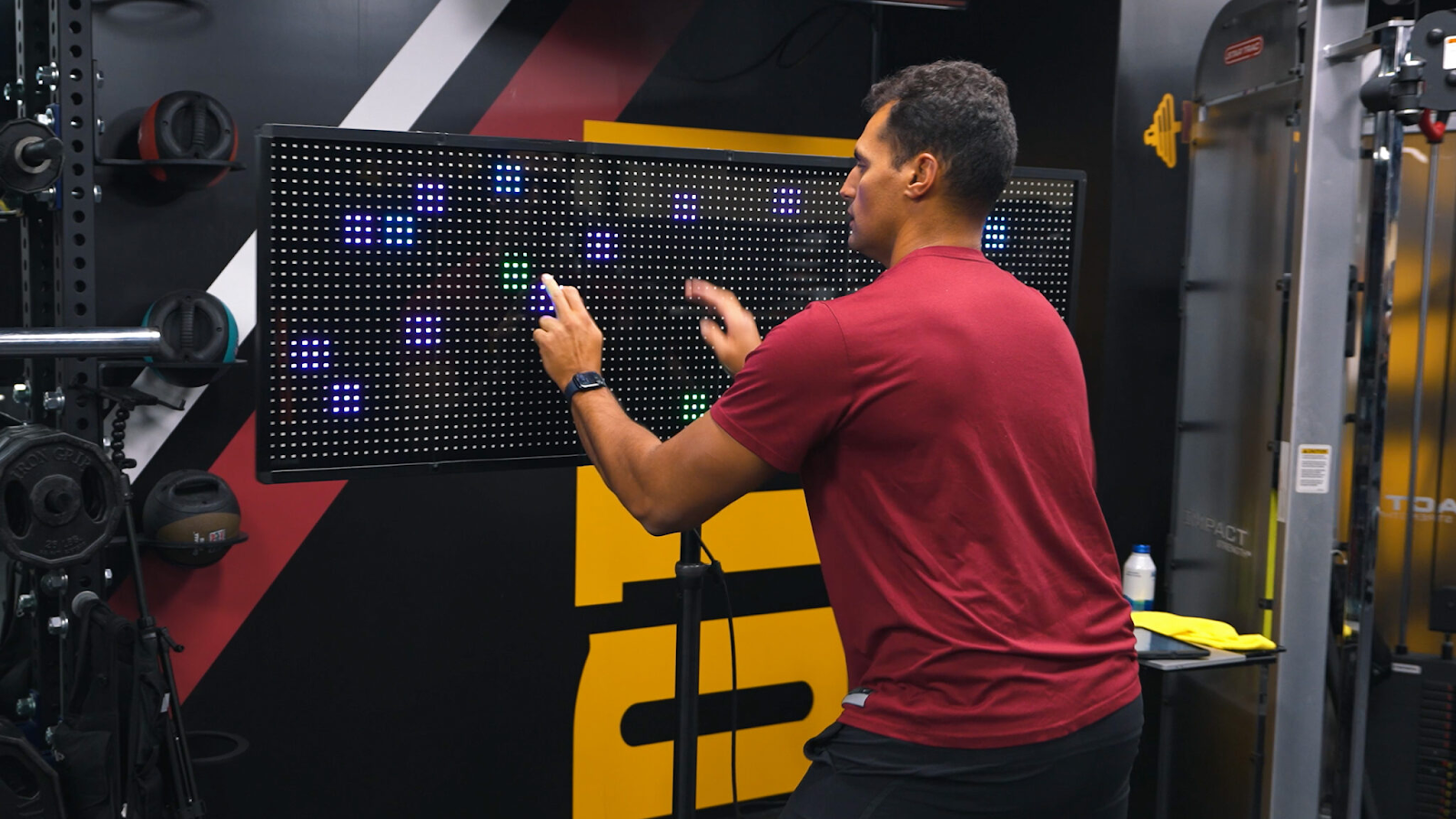
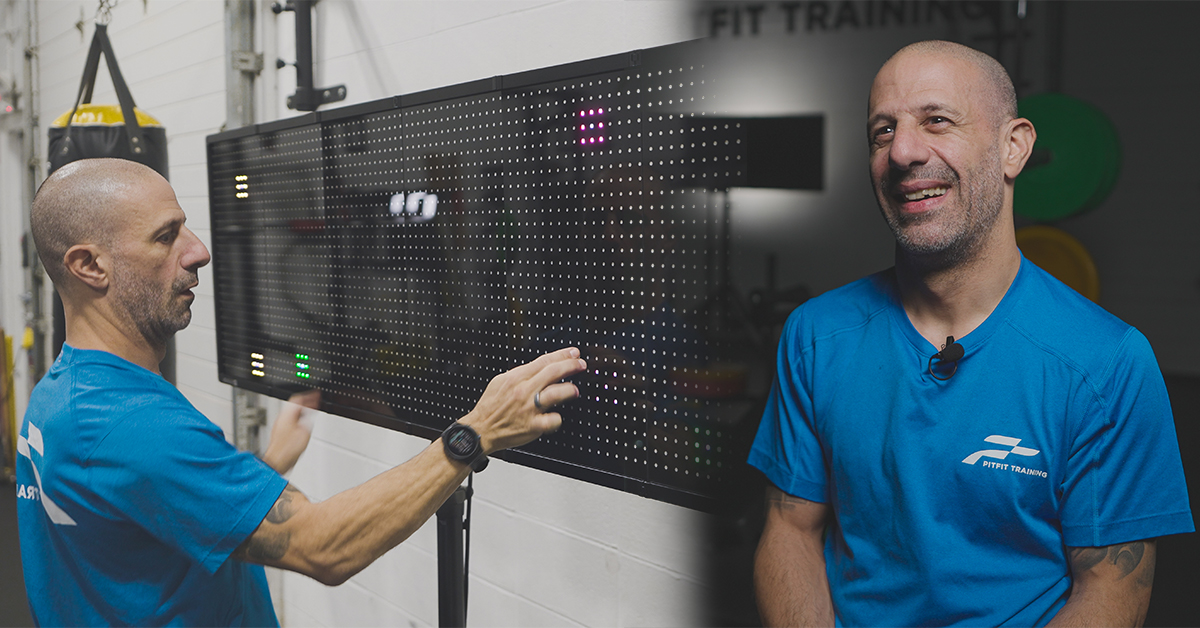
At Reflexion, this is a topic we are actively exploring. Reflexion GO, our personalized VR training product, adapts to your abilities to attempt to keep you in a flow state where you feel challenged but also that you are performing well – balancing the emotions to keep you engaged and in a state where you are pushing yourself. As we continue to build out the product this is a concept into which we will delve much further and will likely write more about on this blog. Tell us about your experience reaching flow state. How did you get there?
Achieving Flow: An Exploratory Investigation of Elite College Athletes and Musicians Roberta Antonini Philippe, et al.
Measuring optimal psychological states: Proposal of two brief versions to measure flow and clutch in athletes Alejandro Sánchez Vara, et al.
Flow States and Associated Changes in Spatial and Temporal Processing Scott Sinnett, et al.